This edition focuses on the International Documentary Film Festival Amsterdam (IDFA). We recommend four documentaries.
The reality of psychosis
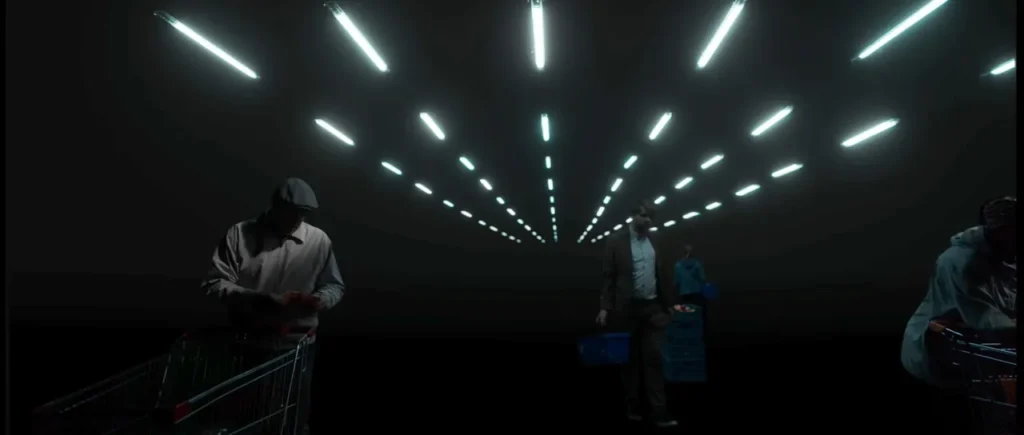
In the documentaryThe Desert of the Real, director Luuk Bouwman gives a voice to six people who have experienced psychosis. What they have in common is that at certain points in their lives, they came under severe personal and social pressure and then decompensated. One of them turns out to have been the victim of an autoimmune disease. A few of them have worked in mental health care themselves.
Bouwman conducts emotional, in-depth interviews with the patients, sometimes placing them in their own environment, but alternating this with a fairly accurate representation of the physical environment in which the psychosis occurred or arose, or which, in yet another way, reflects their psychotic inner world, using cameras, sets, and screens. This rightly emphasizes the continuity between the inner world of the patients and the world outside, or as one of the patients puts it: “Actually, I am always psychotic.”
Like a movie
This also makes it clear that psychosis can be accompanied by deep loneliness, fear, despair, and confusion, but also by creativity, euphoria, and existential-philosophical insights. That loneliness stems from the essentially non-communicable nature of psychosis. During the psychosis, all these patients felt as if they were in a movie, a staged reality, as if in a mirror, or as one of them puts it: as if caught up in a “plot explosion.” One of them talks about the feeling of being attacked by his own thoughts, the feeling that the world is open and that the number of meanings is endless. That seagulls circling above you, screeching, are actually gossiping about you, or that ‘the others’ are mere extras, resulting in a sickly kind of solipsism. And that an isolation room – however bewildering – can be a pleasant relief from your hyper-awareness, tempering the excess of stimuli.
And then, sometimes after many years of hospitalization and treatment, there is the return to everyday reality, that disturbed ‘real’ world that nevertheless brims with meaninglessness. And the continuing realization that the moral order is nothing more than a pleasant fiction. Fascinating documentary.
More psychosis
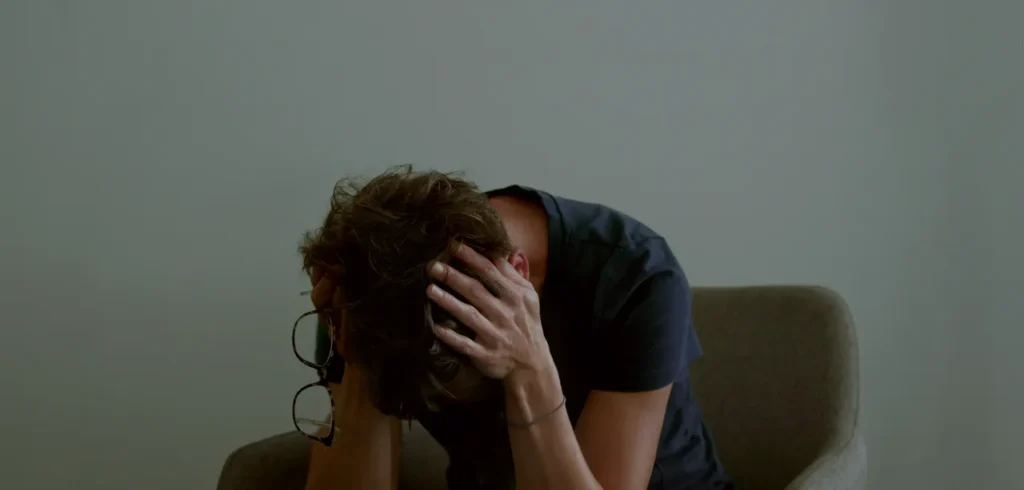
In the wake of this, you can also choose two other documentaries with similar themes. The first is Love-22-Love by artist and filmmaker Jeroen Kooijmans, who woke up in 2002 in the psychiatric ward of a hospital in New York, admitted with psychosis. In Love-22-Love, he reconstructs the period that preceded this and the long journey he made in the years that followed. He does this using videos he made of himself and his beloved. Everything is edited together associatively; raw, poignant, with poetic travel footage, home movies, and personal confessions about his depression. In the letters he writes to himself, he names his demons. Above all, Love-22-Love is also a declaration of love to his wife, artist Elspeth Diederix: the anchor in his life.
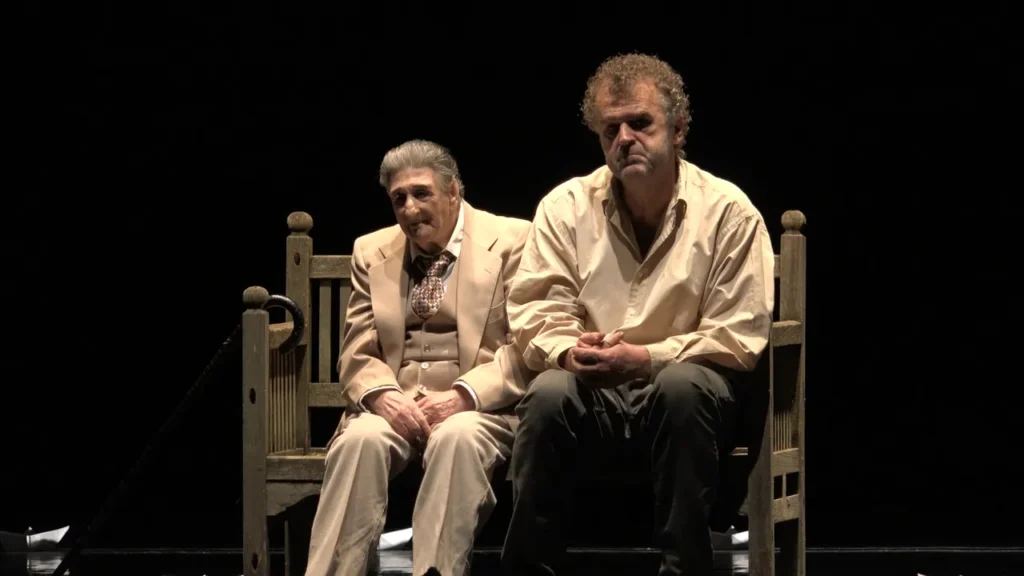
Also worth seeing isBobò, in which Pippo Delbono (1959), the famous Italian theater maker, shows how he had become stuck in his life and in his art when he met Bobò in a psychiatric institution: a deaf-mute man who could not read or write and had been living within the walls of the institution for 46 years. The doctors’ diagnosis: microcephaly. It was precisely this man who turned out to be his muse and gave him a new perspective on his theater art. For twenty years—Bobò has since passed away—they worked together and created highly idiosyncratic and acclaimed performances.
Empathetic doctor
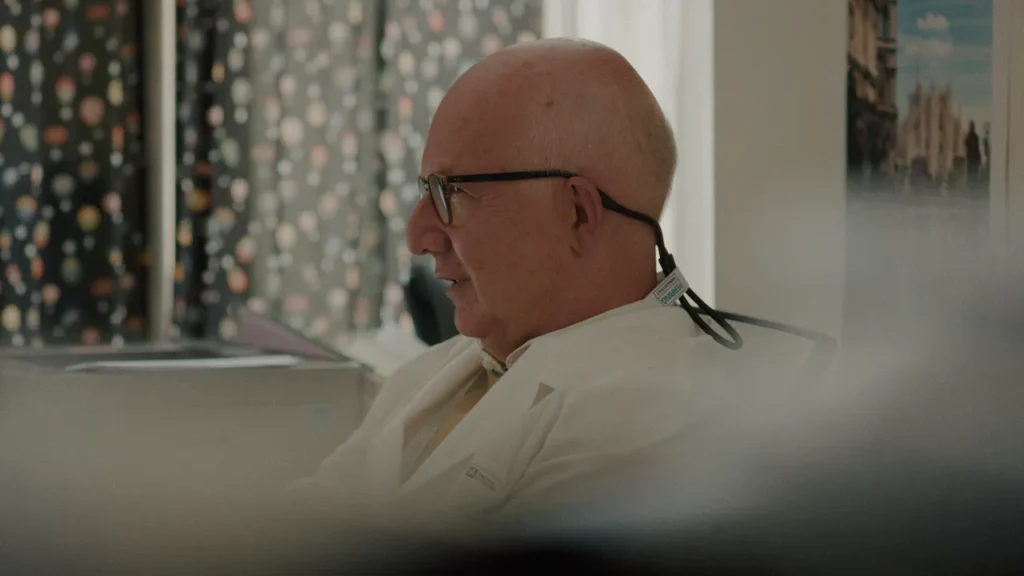
Finally, we recommend GEN_ by Gianluca Matarrese, in which we follow Dr. Bini in the final phase before his retirement. He heads the fertility and gender department of a Milanese hospital. Women in their mid-forties with an unfulfilled desire to have children, men with ‘lazy’ sperm, young people who are unsure about their gender or lack of beard growth halfway through a transition; they all place their own lives, and possibly those of future offspring, in his hands. Bini emerges as a very empathetic doctor.
Henk Maassen